Preclinical: Prime Editing Restores...
CMN Special
Oct. 7, 2026
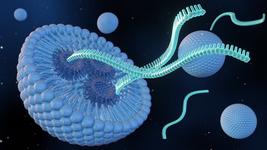
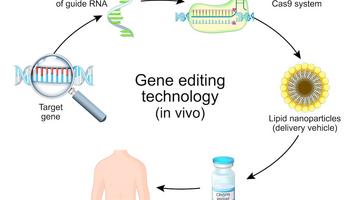
Naturally occurring loss-of-function variants in ANGPTL3 are associated with low triglycerides, low LDL cholesterol and reduced atherosclerotic cardiovascular risk – a genotype CTX310 sets out to reproduce pharmacologically. The therapy pairs Cas9 messenger RNA with a guide RNA directed at hepatic ANGPTL3 inside a lipid nanoparticle that delivers the editing machinery to hepatocytes, so the edit is made in vivo rather than in cells removed from the body.
Fifteen adults with uncontrolled hypercholesterolaemia, moderate or severe hypertriglyceridaemia or mixed dyslipidaemia – most already taking statins or ezetimibe, and 40% on PCSK9 inhibitors – received one of five doses between 0.1 and 0.8 mg/kg. Among the four participants given the highest dose, mean reductions at one year were 79% for ANGPTL3 (range 63 to 89), 53% for LDL cholesterol and 48% for triglycerides, with apolipoprotein B down 37% and triglyceride-rich lipoprotein cholesterol down 72%.
Beyond a transient aminotransferase elevation reported earlier in one participant, liver-function measures stayed normal. A permanent edit in slowly renewing liver tissue would be expected to persist, though the cohort is small and cardiovascular outcomes remain untested.
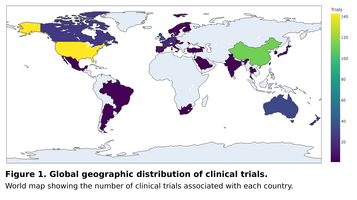
The study was led by co-first authors Luke Laffin at Cleveland Clinic and Stephen Nicholls at the Victorian Heart Institute, and senior author Steven Nissen at Cleveland Clinic. It was published in The New England Journal of Medicine on 28 August 2026. On the same date, a press release was issued by CRISPR Therapeutics. You can read more about CTX310 in our clinical trial database.
To get more CRISPR Medicine News delivered to your inbox, sign up to the free weekly CMN Newsletter here.
ArticleCMN BriefsNewsClinical News UpdatesCMN BriefsIn vivoLipid-based nanoparticleDyslipidemiaCardiovascular diseasesCas9CRISPR Therapeutics AGClinical