CMN Weekly (12 December 2025) - Your Weekly CRISPR Medicine News
By: Gorm Palmgren - Dec. 12, 2025
Top picks
- CancerPAM is a new multi-omics pipeline identifying patient-specific, tumour-exclusive CRISPR-Cas9 knock-in sites for pro-inflammatory cytokine delivery to remodel immunosuppressive tumour microenvironments. Using neuroblastoma models, CRISPR-mediated CXCL10 knock-in enhanced CAR T-cell infiltration and antitumour efficacy in vitro and in humanised CD34+ HuNOG mice, where cytokine-expressing tumours demonstrated stronger immune infiltration and prolonged tumour control.
- RED-CRISPR, a new CRISPR-Cas9 HDR strategy enhanced by Redα/β recombinases, enables efficient insertion of large DNA cargos (>1 kb) across diverse cell types. It improves knock-in efficiency 2–5-fold and reduces off-target effects and chromosomal translocations. Achieving up to 45% efficiency in CAR-T cells and 43% in 8-kb mouse transgenesis, RED-CRISPR offers broad therapeutic and biomedical potential.
Research
- Scientists have screened over 7,000 FDA-approved drugs in human induced pluripotent stem cells to identify compounds that modulate DNA double-strand break repair pathways during CRISPR genome editing. They discovered that ESR2 and AOX1 affect key repair proteins, whilst ESR2 silencing combined with NHEJ inhibition increased HDR 4.6-fold. The screen identified repurposable drugs that enhance or inhibit specific repair outcomes, and compounds that induce synthetic lethality when repair pathways are blocked.
- A CRISPR-engineered genetic sexing strain platform for Aedes albopictus mosquitoes integrates disruption of the yellow pigmentation gene with nix-mediated sex conversion, producing stable strains with yellow females and dark males for efficient sex separation. The engineered females exhibit delayed pupation and lay desiccation-sensitive eggs, reducing accidental release risks whilst enabling compatibility with size-based sorting methods.
- Scientists have developed ATENA by conjugating G-quadruplex and i-motif ligands to catalytically inactive Cas9 to target individual DNA structures in living cells precisely. They demonstrate that selective c-MYC G4 stabilisation suppressed P1 promoter-driven transcripts whilst opposite-strand i-motif targeting increased them. The platform revealed highly ligand-specific transcriptional responses at identical G4 sites, with basal gene expression levels predicting the impact of G4 stabilisation.
- Scientists compared RNA-targeting systems for correcting ABCA4 splicing defects causing Stargardt disease in retinal pigment epithelium cells. They found that the CRISPR-Cas13 system RBFOX1N-dPspCas13b-C achieved up to 80% reduction of mis-spliced c.5461-10T>C variants, while the engineered U1 system ExSpeU1 reached 84% correction for c.4773+3A>G variants. The minigene-based study demonstrated that targeting effectiveness depends strongly on guide RNA design, providing proof of concept for RNA-based therapeutic strategies in mis-splicing diseases.
- A new CRISPR-Cas9 homology-directed repair platform, CRIMSON HD, achieved over 90% editing efficiency in CD34+-derived megakaryocytes for functional evaluation of platelet disorder variants. The system reclassified several ITGA2B and ITGB3 variants of uncertain significance – including αIIb Gly201Ala, which causes near-complete αIIbβ3 integrin loss, and αIIb Ala777Asp, with intermediate expression – demonstrating the value of lineage-specific assays for inherited platelet disorder variant interpretation.
- A redesigned CRISPR guide RNA system can now switch on multiple human genes in a fixed order, mimicking the staged logic of cell differentiation. The work, developed by scientists at Syntax Bio, converts an early, leak-prone 'proGuide' concept into a programmable cascade capable of activating at least seven endogenous genes in sequence in human cells, including iPSCs. Also, read our take on the study.
- A new research capacity in Tanzania has engineered local Anopheles gambiae mosquitoes expressing antimicrobial peptides that robustly inhibit genetically diverse Plasmodium falciparum isolates from naturally infected children. The transgenic strain demonstrated non-autonomous gene drive capabilities with efficient inheritance when supplemented with Cas9 endonuclease from another locally engineered strain, advancing the technology toward field application for malaria eradication in Africa.
- Genome-wide mapping has identified immunogenic double-stranded RNAs that activate MDA5 innate immune responses when unedited by ADAR1, revealing that these constitute a surprisingly small fraction of cellular dsRNAs enriched in mRNAs and depleted of introns. Validated MDA5-dependent immunogenicity was dampened by ADAR1-mediated editing, with immunogenic dsRNAs significantly enriched at genetic susceptibility loci associated with common inflammatory diseases.
- Using CRISPR-Cas9 to induce endogenous NUP98::NSD1 fusion and WT1 knockout in human haematopoietic stem cells from different developmental stages, scientists demonstrated that fetal-derived cells readily transform into leukaemia, whilst postnatal stem cells show progressive resistance. Single-cell analyses revealed that fetal-origin leukaemia stem cells exhibit greater quiescence and reliance on oxidative phosphorylation, driving distinct therapeutic responses despite identical oncogenic mutations. In patients, onco-fetal transcriptional programs correlate with worse outcomes.
Industry
- Syntax Bio has secured up to $856,250 from Breakthrough T1D to develop a CRISPR-Cas-driven system for generating pancreatic beta cells. Their Cellgorithm platform uses transient DNA to automate gene activation for cell maturation, compressing months of manual work into days. The goal is to create scalable, high-quality insulin-producing cells for potential T1D therapy.
Clinical & preclinical
- Beam Therapeutics presented Phase 1/2 data for ristoglogene autogetemcel, an ex vivo base-edited therapy targeting HBG1/2 promoters in autologous CD34+ cells for sickle cell disease, demonstrating efficient manufacturing (median one collection cycle) and rapid engraftment. Among 31 treated patients with follow-up to 20 months, durable editing efficiency reached 72.8% by month 12, achieving mean fetal haemoglobin levels above 60% with corresponding haemoglobin S reductions below 40% whilst no severe vaso-occlusive crises occurred post-engraftment.
- Two patients with p47phox-deficient chronic granulomatous disease showed restored NADPH oxidase activity within one month of receiving Prime Medicine's PM359. PM359 is a prime-edited autologous CD34+ cell therapy that corrects a two-nucleotide deletion in NCF1. Both participants in the clinical trial achieved prompt engraftment after busulfan conditioning, with oxidase activity maintained for 4–6 months of follow-up.
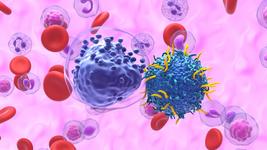
- A phase 1 trial of base-edited anti-CD7 CAR T cells with triple knockouts of TCRαβ, CD52 and CD7 induced remission in 11 patients with relapsed or refractory T-cell acute lymphoblastic leukaemia. In the study by researchers from University College London, all patients achieved morphologic remission within 28 days, and nine proceeded to allogeneic stem-cell transplantation, with 7 maintaining remission at 3–36 months.
- Wugen has presented Phase 1/2 data for its gene-edited allogeneic CAR T therapy, WU-CART-007, in relapsed/refractory T-cell acute lymphoblastic leukaemia/lymphoblastic lymphoma. Among 28 patients, responders exhibited significantly higher cellular pharmacokinetics than non-responders (median duration of response, 6.7 months). In comparison, three surviving patients who underwent haematopoietic stem cell transplantation achieved a median overall survival of 18 months, with no late adverse events or replication-competent lentivirus detected.
- Fate Therapeutics has presented Phase 1 data for FT819, an off-the-shelf iPSC-derived CD19-targeting CAR T-cell therapy for systemic lupus erythematosus, demonstrating sustained responses and durable B-cell depletion without intensive conditioning. Among 12 treated patients, SLEDAI-2K scores decreased progressively – five achieved clinical SLEDAI-2K of 0, whilst two with lupus nephritis reached complete renal response – with no dose-limiting toxicities or grade >2 cytokine release syndrome reported.
- Vertex has presented the first-ever CRISPR-Cas clinical data in children aged 5–11 with sickle cell disease (SCD) or transfusion-dependent beta thalassemia (TDT). All eligible patients achieved key efficacy endpoints—no vaso-occlusive crises or transfusion independence for at least 12 months. CASGEVY editing at BCL11A induced sustained fetal haemoglobin expression. Longer-term data in older cohorts confirmed durable benefit. Regulatory filings for younger children are planned for 2026.
- Cellectis' allogeneic CAR T-cell therapy, eti-cel, developed using its gene-editing platform, showed an 88% overall response rate and a 63% complete response rate in relapsed/refractory non-Hodgkin lymphoma. The dual CD20/CD22-targeting product uses gene-edited donor T cells, with added low-dose IL-2 shown to boost in vivo CAR T-cell persistence. Phase 1 data collection continues, with full results expected in 2026.
Delivery
- Lipid nanoparticle delivery of NG-ABE8e base editor and A6 guide RNA has been used to optimise adenine base editing to correct the c.1030C>T (p.Q344X) RHO mutation causing retinitis pigmentosa. The method achieved 42.6% genomic DNA editing and 65.9% rhodopsin protein restoration in a fluorescence reporter cell system. Flow cytometry, western blotting, and DNA sequencing confirmed full-length rhodopsin restoration without bystander edits within the editing window.
- AAV9-delivered adenine base editor corrected pathogenic PKD1 variants in humanised Pkd1RC/RC mice using both broadly expressed and kidney-specific promoter systems. Single-dose treatment delayed cyst growth and reduced cardiac hypertrophy, whilst both delivery approaches enhanced survival in Pkd1RC/null mice, supporting the potential for single-dose genetic therapies targeting autosomal dominant polycystic kidney disease through pathogenic variant correction.
Screening
- A viral replicon-based CRISPR-Cas9 knockout screening method has identified host factors essential for the replication of dengue, chikungunya, and Ebola viruses – many of which were missed by live-virus screens. Using a fluorescent DENV-2 replicon, the approach identified known and novel host-dependency genes. This strategy enables safer, virus-free discovery of replication cofactors, revealing potential targets for broad-spectrum antiviral therapies.
Detection
- Scientists developed three CARMEN (CRISPR-based Combinatorial Arrayed Reactions for Multiplexed Evaluation of Nucleic acids) panels using deep learning-designed assays to simultaneously detect 23 bloodborne pathogens across viral haemorrhagic fevers, mosquito-borne viruses, and sexually transmitted infections. Validation on synthetic targets, spiked serum, and patient samples for Neisseria gonorrhoeae in the United States and for Lassa and mpox viruses in Nigeria demonstrated sensitivity matching or exceeding RT-qPCR, with equivalent specificity.
Perspectives and opinions
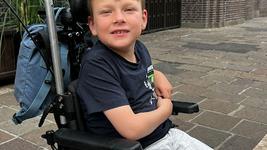
- Named by Nature as one of ten people who shaped science in 2025, KJ Muldoon became the first patient to receive a personalised in vivo CRISPR-Cas base editing therapy. Scientists corrected a unique CPS1 mutation in his liver to treat a rare metabolic disorder, CPS1 deficiency. The rapid, bespoke intervention offers proof of concept but raises urgent questions about affordability and access to ultra-rare disease therapies.
Reviews
- A review of recent studies on CRISPR/Cas9-mediated genome editing in a variety of muscle-related genetic disorders. This review provides a thorough overview of the revolutionary role of CRISPR/Cas9 in advancing our understanding and treatment of muscle-related genetic disorders, integrating current knowledge with future perspectives.
To get more CRISPR Medicine News delivered to your inbox, sign up to the free weekly CMN Newsletter here.
“The European Genomic Medicine Consortium is quietly gathering under the CMN umbrella. Exploring the frontier of gene editing for therapeutic precision - this network is not public yet, but it’s real. Watch the signals, track the sequences. Only those who search will know.”R
Tags
ArticleNewsCMN WeeklyHomology-directed Repair (HDR)Beam Therapeutics Inc.Cellectis S.A.Fate Therapeutics, Inc.Prime MedicineVertex Pharmaceuticals, Inc.WUGEN Inc.
CLINICAL TRIALS
IND Enabling
Phase I
Phase II
Phase III
Gastric Cancer and Colorectal Cancer, CRC, (NCT07166263)
Sponsors:
Base Therapeutics (Shanghai) Co., Ltd.
Sponsors:
Base Therapeutics (Shanghai) Co., Ltd.
IND Enabling
Phase I
Phase II
Phase III
Relapsed or Refractory Acute Myeloid Leukemia, AML, (NCT06541444)
Sponsors:
Base Therapeutics (Shanghai) Co., Ltd.
Sponsors:
Base Therapeutics (Shanghai) Co., Ltd.
IND Enabling
Phase I
Phase II
Phase III