CMN Weekly (23 July 2021)
By: Gorm Palmgren - Jul. 23, 2021
CMN Intelligence - The World’s Most Comprehensive Intelligence Platform for CRISPR-Genomic Medicine and Gene-Editing Clinical Development
Providing market intelligence, data infrastructure, analytics, and reporting services for the global gene-editing sector. Read more...
Top picks
- In the first successful demonstration of gene knockout in a marsupial, a Japanese research team has used zygote microinjection of CRISPR-Cas9 to generate germline transmission of a mutant albino allele in opossums. The opossum is an established laboratory model and among the few mammals that can get melanoma.
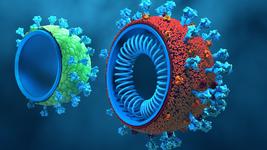
- Danish researchers at Novo Nordisk Foundation Centre for Protein Research have established the cryoEM structure of Cas12j3 while complexed with the R-loop formed by the crRNA and the target DNA. The structure reveals the machinery for PAM recognition, hybrid assembly and DNA cleavage. We previously wrote about Cas12j3, also known as CasΦ, in an interview with Basem Al-Shayeb.
Industry
- Caribou Biosciences has announced the pricing of its upsized initial public offering of 19 million shares of common stock at a public offering price of $16.00 per share. The gross proceeds of the offering are expected to be $304 million.
- CRISPR Therapeutics is expected to deliver a revenue of $678 million and earnings of $4.19 per share when it reports results for the quarter ended June 2021. Both numbers are substantially higher when compared to the year-ago quarter.
Research
- Chinese researchers have developed a method for controlled release of CRISPR-Cas9 ribonucleoprotein (RNP) using a near-infrared light-triggered thermo-responsive copper sulfide (CuS) multifunctional nanotherapeutic platform. Drugs like, e.g., chemotherapy, can be synergistically released by the method.
- A simple personal glucose meter has been turned into a sensitive tool for detecting miRNA at the point of care. The method employs the collateral cleavage activity of CRISPR-Cas12a to cleave a single-strand DNA linked to sucrase. In the presence of the target miRNA, the released sucrase will cleave sucrose to glucose which is subsequently detected by the glucose meter.
- Selective delivery of CRISPR-Cas9 to bladder cancer cells has been achieved with a chimeric adenoviral vector. The vector combines serotypes 5 and 35 and infects via CD46, a surface antigen highly expressed in bladder cancer cells.
- American researchers have developed a novel, non-viral delivery system for CRISPR/Cas9 based on engineered exosomes. Exosomes are nanoscale membranous vesicles naturally released from all live cells that can carry molecular cargo (DNA, RNA, protein, and lipids) from cell to cell.
Reviews
- A review by Feng Zhang and others provides a rundown of the rapidly expanding toolbox for CRISPR-based diagnostics. The study focuses on the various assays, preamplification strategies and readouts, and highlights their main applications in sensing a wide range of molecular targets relevant to human health.
- Another review summarises the state-of-the-art non-viral vectors that exploit external stimuli (i.e., light, magnetic field, and ultrasound) for spatially and temporally controlled genome editing and their in vitro and in vivo applications.
- CRISPR-editing in stem cell research is the subject of a review by Taiwanese researchers. The review looks into the research design factors that affected CRISPR performance in stem cells.
- The history and perspectives to the future of CRISPR are covered in a review by Slovakian researchers. The review focuses on the CRISPR system's mechanism of action, delivery methods, new progressive methods of cancer therapy and genetic modification of cells, and how to overcome technological issues.
Tags
CLINICAL TRIALS
IND Enabling
Phase I
Phase II
Phase III
Gastric Cancer and Colorectal Cancer, CRC, (NCT07166263)
Sponsors:
Base Therapeutics (Shanghai) Co., Ltd.
Sponsors:
Base Therapeutics (Shanghai) Co., Ltd.
IND Enabling
Phase I
Phase II
Phase III
Relapsed or Refractory Acute Myeloid Leukemia, AML, (NCT06541444)
Sponsors:
Base Therapeutics (Shanghai) Co., Ltd.
Sponsors:
Base Therapeutics (Shanghai) Co., Ltd.
IND Enabling
Phase I
Phase II
Phase III