CMN Weekly (27 February 2026) - Your Weekly CRISPR Medicine News
CMN Intelligence - The World’s Most Comprehensive Intelligence Platform for CRISPR-Genomic Medicine and Gene-Editing Clinical Development
Providing market intelligence, data infrastructure, analytics, and reporting services for the global gene-editing sector. Read more...
Top picks
- Researchers have developed an optimised lentiviral CRISPR-Cas9 and CRISPRi platform enabling in vitro and in vivo dropout screens and Perturb-seq directly in patient-derived xenograft and primary AML samples, achieving successful genome editing in roughly 86% of 22 primary specimens. Integrating pooled CRISPR perturbations with single-cell RNA-seq resolved patient-specific dependencies and cellular hierarchies, revealing, for example, opposing roles for EP300 and SETDB1 across mutational subtypes and identifying a lineage-switch-associated MYB cis-regulatory element essential for leukaemic growth.
- CRISPR-Cas9 editing was found to induce widespread chromatin accessibility changes and premature differentiation of neural and embryonic stem cells, even when cuts occurred tens of kilobases from regulatory elements. Integrated ATAC/RNA-seq revealed large-scale perturbations, particularly in stem-like cells, linked to disruption of CTCF-associated architecture and distal transcriptional rewiring. Distance-aware sgRNA design, reduced DNA resection and alternative editors mitigated these effects, informing safer genome-editing strategies.
Research
- Prime-SGE is a new prime editing-based framework that extends saturation genome editing across multiple genomic regions simultaneously by tracking pegRNAs rather than the mutations themselves. Applied across two cell lines, the approach assessed thousands of point mutations in eight oncogenes for their ability to confer resistance to four tyrosine kinase inhibitors, opening the door to large-scale positive selection screens of specific point mutations throughout the genome.
- Employing the uSpyCLIP method to map transcriptome-wide binding sites in HEK293T cells, researchers characterised the off-target behaviour of two CRISPR-Cas13 variants – dPspCas13b and dRfxCas13d – uncovering both gRNA-dependent and gRNA-independent off-target binding with distinct structural and sequence signatures. Critically, some off-target binding events altered gene expression at the mRNA and protein level, offering guidance for optimising Cas13 and gRNA design for future in vivo therapeutic applications.
- Researchers have developed CRISPR KiSS, a CRISPR-Cas9-based kill switch in Saccharomyces cerevisiae that uses anhydrotetracycline-inducible guide RNA expression to disrupt essential genes – including ERG13, PGA3, TPI1, and CDC19 – and trigger growth inhibition. Whilst simultaneous expression of two guide RNAs improved performance, cells were still able to escape via mutations in gRNA sequences and target genes, indicating that further optimisation is required before the system can be reliably deployed in cell factory applications.
Clinical and preclinical
- Tessera Therapeutics’ CRISPR-Cas-based in vivo gene editing candidate TSRA-196 has received Fast Track and Orphan Drug designations from the FDA for treating PiZZ alpha-1 antitrypsin deficiency. Developed with Regeneron, TSRA-196 aims to precisely correct the causative mutation through a single intravenous dose, restoring functional AAT production. A Phase 1/2 trial is ongoing.
Industry
- The FDA has issued draft guidance outlining a ‘plausible mechanism’ pathway to accelerate approval of bespoke CRISPR-Cas and RNA-based therapies for rare diseases. The framework would allow approvals based on defined genetic causality, demonstrated target engagement, natural history controls and clinically meaningful benefit, with biomarkers permissible if predictive. The agency emphasises robust evidence despite small trials and continued post-market oversight.
- Pfizer has exercised its option to secure global rights to Beam Therapeutics’ liver-targeted CRISPR-Cas base editing candidate, assuming responsibility for development, manufacturing and potential commercialisation. The decision extends their 2021 collaboration and positions Pfizer to re-enter genome editing via in vivo liver-directed programmes, while Beam retains a Phase 1/2 opt-in right for shared costs and profits.
- BreezeBio has raised $60 million in Series B financing to advance its NanoGalaxy non-viral delivery platform and internal genetic medicine pipeline. The synthetic, non-lipid nanoparticles are engineered to target tissues beyond the liver, including immune cells, heart, lung and brain. Structure–function relationships are optimised using AI-based modelling. Lead candidate BRZ-101 for type 1 diabetes is entering IND-enabling studies, while collaboration with Genentech continues.
Q4 and full-year 2025 financial results
- Iovance Biotherapeutics reports full-year net loss of $391 million and a cash deposit of $699 million. Q4 net loss was $72 million.
- Beam Therapeutics reports full-year net loss of $80 million and a cash deposit of $699 million. Q4 net profit was $244 million.
Screening
- CRISPR-Cas9 somatic gene disruption was deployed across zebrafish and mouse models to interrogate regulators of brain angiogenesis and blood–brain barrier (BBB) integrity. Rapid phenotyping in transparent zebrafish embryos and endothelial-specific Cas9 mice enabled parallel assessment of vascular development and BBB permeability within weeks. The multiplexable, cross-species platform establishes a higher-throughput framework for functional genomics of BBB ontogeny and maintenance.
- Using CRISPRi with dCas9, researchers have developed Isoform-Specific single-cell Perturb-Seq to probe alternative promoter function. They find that untargeted promoters frequently undergo compensatory upregulation and that over half of targeted genes drive distinct transcriptional programmes from alternative promoters. In breast cancer models, distinct ESR1 promoters showed opposing effects on tamoxifen response and patient survival, underscoring the therapeutic potential of promoter-specific targeting.
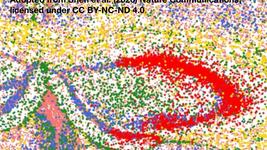
- Spatial Perturb-seq enables pooled in vivo CRISPR screening with single-cell, whole-transcriptome readouts preserved within intact tissue architecture. Applied to the mouse hippocampus, the technology uncovers both cell-autonomous and microenvironmental effects of gene knockouts linked to neurodegenerative disease.
Detection
- Combining CRISPR-Cas12a with either RPA or nested PCR, researchers developed two diagnostic platforms for detecting Enterocytozoon bieneusi, achieving detection limits of 7.13 copies/µL and 2.35 × 10⁻² copies/µL respectively. Validated against 50 clinical faecal samples, the nested PCR/CRISPR-Cas12a platform demonstrated complete concordance across fluorescence, qPCR, and lateral flow strip readouts, offering a rapid and highly sensitive diagnostic tool adaptable to varying laboratory conditions.
Perspectives
- In a Perspective in Cancer Gene Therapy, CRISPR-Cas–enabled ‘smart’ nanocapsules are proposed as orally delivered cancer therapeutics integrating biosensing, laser-triggered activation and AI-guided control. The design combines enteric coating, tumour-targeting surface functionalisation and light-responsive release to enable spatially confined gene editing within the gastrointestinal tract. The concept aims to enhance specificity, minimise off-target effects and support real-time tumour detection, although it remains theoretical and unvalidated experimentally.
Reviews
- Advances in Engineered Virus-Like Particles for Genome Editing and Therapy. This review traces the structural logic and successive engineering iterations behind eVLPs, weighs their preclinical performance, and identifies the translational hurdles that stand between the platform and first-in-human use. Also, read our take on the story.
- Overcoming xenotransplantation barriers through gene editing and immunomodulation. This review examines the major barriers to successful xenotransplantation and discusses how gene editing and immunomodulation strategies can help overcome them, with porcine organs as the primary focus.
- Developing CRISPR-Based Therapies for Epidermolysis Bullosa: A Comprehensive Review of Current Strategies. This review examines the CRISPR-Cas gene editing landscape for epidermolysis bullosa, finding that whilst Cas9 nuclease-based approaches are hampered by off-target genotoxicity, the use of Cas9 nickases and emerging tools such as prime editing offer improved precision and safety profiles.
News from CRISPR Medicine News
- In a Clinical Trial Update on Wednesday, we reported about Precision BioSciences' investigational in vivo gene-editing therapy for Duchenne muscular dystrophy (DMD), PBGENE-DMD, that has got a FDA Study May Proceed notification. It is the first in vivo gene-editing approach specifically designed to target the common exon 45–55 hot-spot, and one of the first to move into clinical testing.
To get more CRISPR Medicine News delivered to your inbox, sign up to the free weekly CMN Newsletter here.

Revvity and Profluent are opening access to next-generation base editing. Through the AI-enhanced Base Editing Access Program, selected researchers can receive complimentary evaluation services to assess the new AI-engineered adenine base editors integrated within Revvity’s modular Pin-point™ base editing platform. Our goal is simple: To empower therapeutic development teams to explore how modular, high-precision base editing can advance their programs - without the usual barriers to entry. Apply today! Deadline 6 February 2026
“The European Genomic Medicine Consortium is quietly gathering under the CMN umbrella. Exploring the frontier of gene editing for therapeutic precision - this network is not public yet, but it’s real. Watch the signals, track the sequences. Only those who search will know.”R
Tags
ArticleNewsCMN WeeklyAcute Myeloid Leukemia, AMLCRISPR ScreensCRISPRiSafetyBeam Therapeutics Inc.Iovance BiotherapeuticsPfizerTessera TherapeuticsApproved (FDA)
CLINICAL TRIALS
Sponsors:
Base Therapeutics (Shanghai) Co., Ltd.
Sponsors:
Base Therapeutics (Shanghai) Co., Ltd.