CRISPR-Cas12a enables portable detection of...
CMN Briefs
Mar. 2, 2026

CMN Intelligence - The World’s Most Comprehensive Intelligence Platform for CRISPR-Genomic Medicine and Gene-Editing Clinical Development
Providing market intelligence, data infrastructure, analytics, and reporting services for the global gene-editing sector. Read more...
Clear cell renal cell carcinoma (ccRCC) remains challenging to treat, with resistance to first-line kinase inhibitors emerging within 8–9 months. Current therapies primarily target the tumour microenvironment rather than intrinsic tumour vulnerabilities.
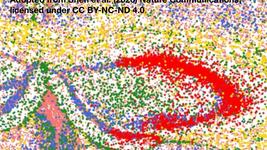
The research team developed a systems-based machine learning framework analysing over 270,000 single cells from ccRCC tumours and adjacent healthy tissue to identify tumour-specific gene signatures. Using LightGBM classification and protein–protein interaction network analysis, they identified 96 candidate drug targets. CRISPR screening data from the DEPMAP database were employed to exclude genes classified as common cellular essentials, ensuring selected targets were tumour-specific rather than broadly required for cell survival.
This refinement yielded 16 final therapeutic targets. Drug proximity analysis identified 39 FDA-approved compounds, including previously underexplored mechanisms such as ABL1, CDK4/6, and JAK inhibition. Preclinical validation using the PRISM screen across 17 renal cancer cell lines showed that Ribociclib (CDK4/6 inhibitor), Ponatinib (ABL1 inhibitor), and Dasatinib (ABL1 inhibitor) significantly outperformed Cabozantinib, the most effective current treatment, demonstrating efficacy across all tested cell lines.
The study was led by Silas Ruhrberg Estévez and Namshik Han from the University of Cambridge, UK. It was published in npj Drug Discovery on 9 February 2026.
To get more CRISPR Medicine News delivered to your inbox, sign up to the free weekly CMN Newsletter here.
ArticleCMN BriefsNewsCancerAI in genome editingCRISPR Screens