FT819 Remodels Lupus B Cells in Clinical Trial
CMN Briefs
May. 13, 2026

CMN Intelligence - The World’s Most Comprehensive Intelligence Platform for CRISPR-Genomic Medicine and Gene-Editing Clinical Development
Providing market intelligence, data infrastructure, analytics, and reporting services for the global gene-editing sector. Read more...
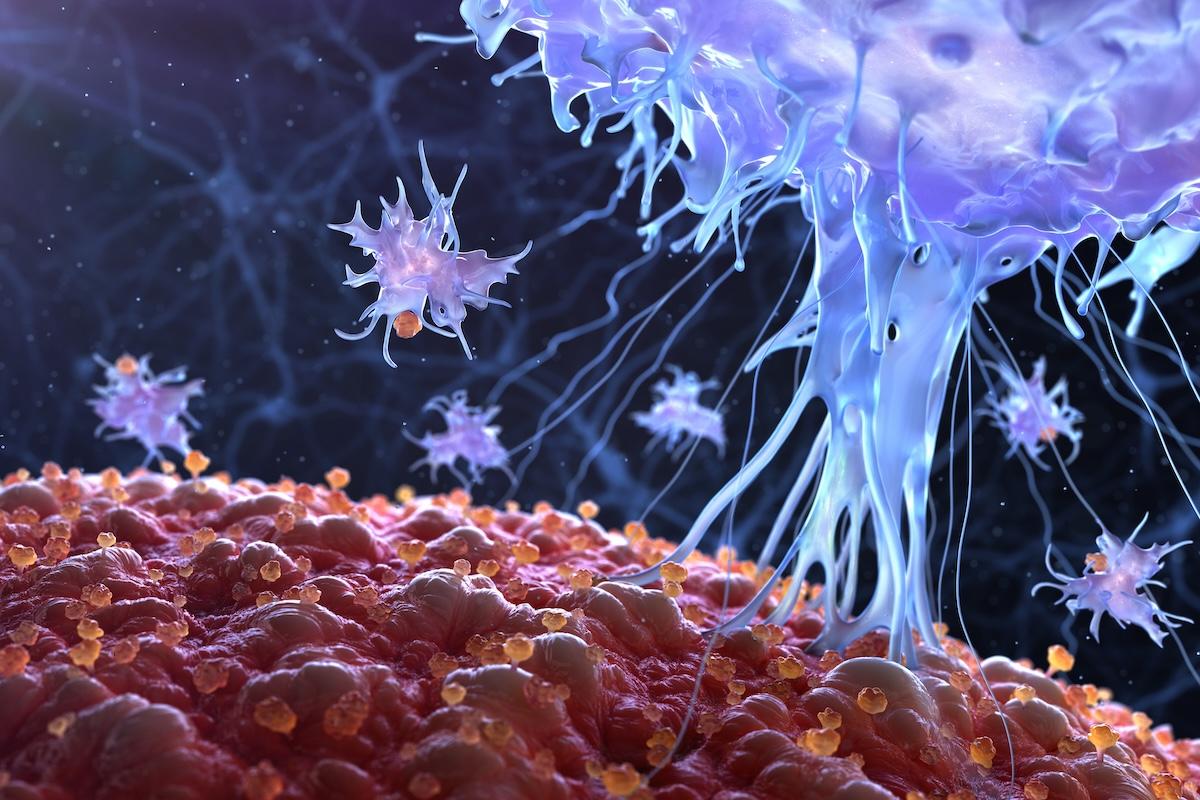
Natural killer cells are innate cytotoxic lymphocytes that recognise and kill transformed cells without prior antigen sensitisation, but their efficacy in solid tumours is frequently undermined by the immunosuppressive tumour microenvironment. A major technical barrier to studying their regulatory biology has been the difficulty of delivering CRISPR components efficiently into primary NK cells. The team at Academia Sinica and National Taiwan University overcame this by combining BaEVRless-pseudotyped lentiviral vectors, which exploit the ASCT receptors expressed on activated NK cells, with Cas9 electroporation (the SLICE method). To boost viral titres, they knocked out the ASCT2 gene in HEK293T packaging cells to prevent syncytia formation and supplemented cultures with inositol hexaphosphate, increasing BaEV-LV titres approximately 50-fold and enabling knockout efficiencies above 80%. Using this platform, a kinome-focused screen identified STK17B as a negative regulator of NK cell expansion: its deletion accelerated proliferation under low IL-2 conditions without impairing cytotoxicity.
A genome-wide degranulation screen, conducted by co-culturing edited NK cells with HCT116 colon cancer cells and sorting on CD107a surface expression, identified CCDC53 – a component of the WASH actin-regulatory complex – as a brake on granule release; CCDC53 knockout increased perforin secretion and enhanced cancer cell killing. A separate screen under prostaglandin E₂ (PGE₂) suppression implicated the CRL5 ubiquitin ligase complex, comprising RNF7, UBE2F, and CISH, as a central checkpoint: disrupting these genes preserved JAK–STAT signalling and IL-2 receptor surface expression under PGE₂ stress, and UBE2F- and RNF7-knockout cells maintained cytotoxic activity against 3D tumoroids of both HCT116 and PANC-1 pancreatic cancer cells where control cells were markedly suppressed.
The study was ded by Quoc Viet Nguyen, Yi-Jun Lan and Steven Lin, and colleagues at the National Taiwan University. It was published in Nature Communications on 15 April 2026.
To get more CRISPR Medicine News delivered to your inbox, sign up to the free weekly CMN Newsletter here.